
Water Problems in Dallas-Fort Worth Homes
Spots, stains, smells, and grit each point to something specific in your water. Find the one you are seeing, then see what causes it and which TAC service fixes it.
Five Common Water Problems in DFW Homes
Hard Water
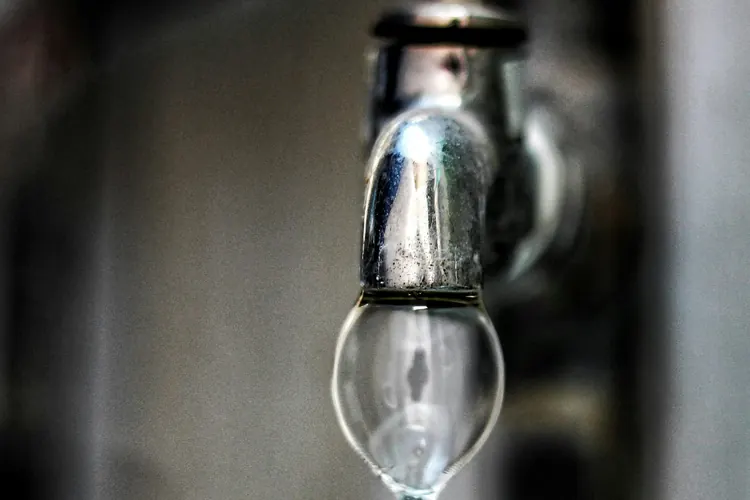
Hard water carries dissolved calcium and magnesium. Fort Worth reports 6 to 9 grains per gallon, moderately hard to hard.
- Spots and film on glasses
- Soap scum and poor lather
- Scale on fixtures and in the water heater
Chlorine Taste and Smell
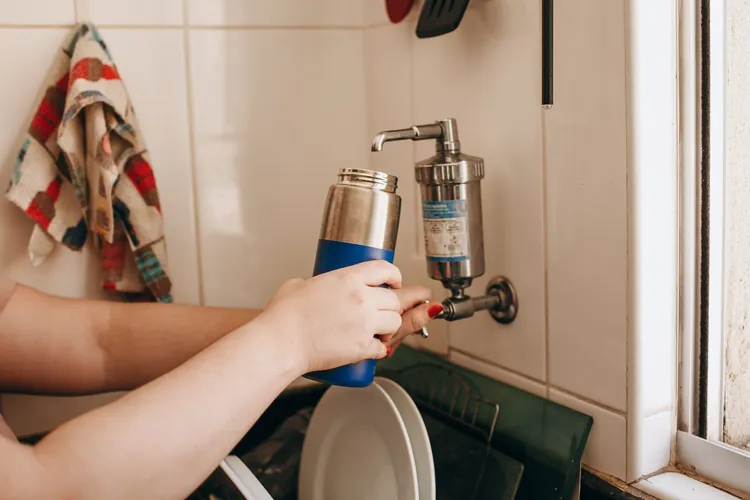
Every DFW utility report we reviewed that names its disinfectant uses chloramine, a mix of chlorine and ammonia, to control germs on the way to your tap. Unlike chlorine, it does not clear quickly when water stands, and it does not boil off.
- A pool-like smell at the tap
- A chlorine or chemical taste in tap water
- A chlorine smell in the shower
Iron and Rust Stains
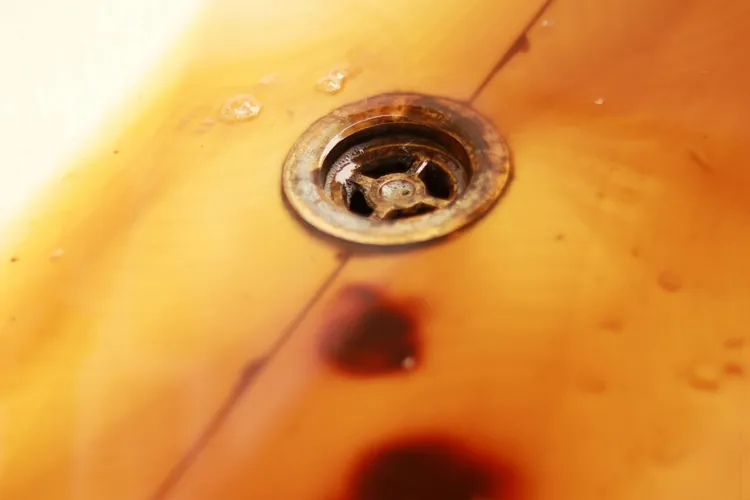
Iron turns water rusty and leaves reddish-brown stains. The DFW utility reports that list iron or manganese show very little, so a test at your own tap is the way to find where it comes from.
- Orange or reddish-brown stains on sinks, tubs and toilets
- Rusty color or metallic taste
- Stains on laundry
Sediment
Sediment is solid particles such as silt, clay and rust that make water cloudy. The DFW utility reports we reviewed show treated water within EPA turbidity limits, so look at pipes, wells and the water heater.
- Cloudy or muddy water
- Particles settling in a glass
- Sediment in the water heater
Well Water Odor
A rotten-egg smell from a well can come from hydrogen sulfide gas or certain bacteria, and hydrogen sulfide can occur naturally in groundwater. Other odors can mean seepage, so test right away when the smell changes.
- Rotten-egg smell at the tap
- Smell only in hot water
- Fuel, detergent or musty odors
Not sure what you are seeing?
Use the form below and we will set up a time to test your water.
Get your free water test
Local water
What Is in Dallas-Fort Worth Water
Fort Worth, Dallas and the North Texas Municipal Water District draw from surface water, among them Lake Worth, Lake Ray Hubbard and Lavon Lake.
That water carries minerals. Fort Worth reports total hardness of 6 to 9 grains per gallon, Grapevine 117 to 135 ppm, and NTMWD's Wylie plant 96 to 200 ppm, moderately hard to very hard on the USGS scale. Every DFW report we reviewed that names its disinfectant uses chloramine, a mix of chlorine and ammonia. The reports that list iron or manganese show very low levels, and each report we reviewed that lists turbidity kept its highest single reading under 0.3 NTU, the level EPA requires at least 95 percent of monthly samples to meet, so for stains and grit it pays to look at what happens after the plant too.
Private wells are a different case. TCEQ states that it does not regulate private drinking water wells, and that the owner is responsible for maintaining the well and testing the water. EPA recommends testing a private well every year and right away when the odor, color or taste changes.
Sources
- Fort Worth Water: Water Quality Report
- Dallas Water Utilities: 2023 Water Quality Report
- Dallas Water Utilities: 2025 Water Quality Report
- Dallas Water Utilities: Water Quality Information
- City of Grapevine: 2024 Water Quality Report
- NTMWD: 2025 Water Quality Report (Wylie WTP)
- USGS: Hardness of Water
- EPA: National Primary Drinking Water Regulations
- TCEQ: Groundwater Contamination Notification
- EPA: Protect Your Home's Water
Book a Free In-Home Water Test
What happens next
- 1We test your waterIn your home, for hardness, chlorine, iron, and sediment.
- 2We recommend a systemA softener, filtration, reverse osmosis, or a combination. No pressure to buy.
- 3We install itClean, and we walk you through how it works.